---
title: "Increase buyer engagement"
url: "https://help.emlen.io/en/article/increase-buyer-engagement"
language: "en"
last_updated: "2025-08-28T11:51:27.452Z"
---
# Increase buyer engagement
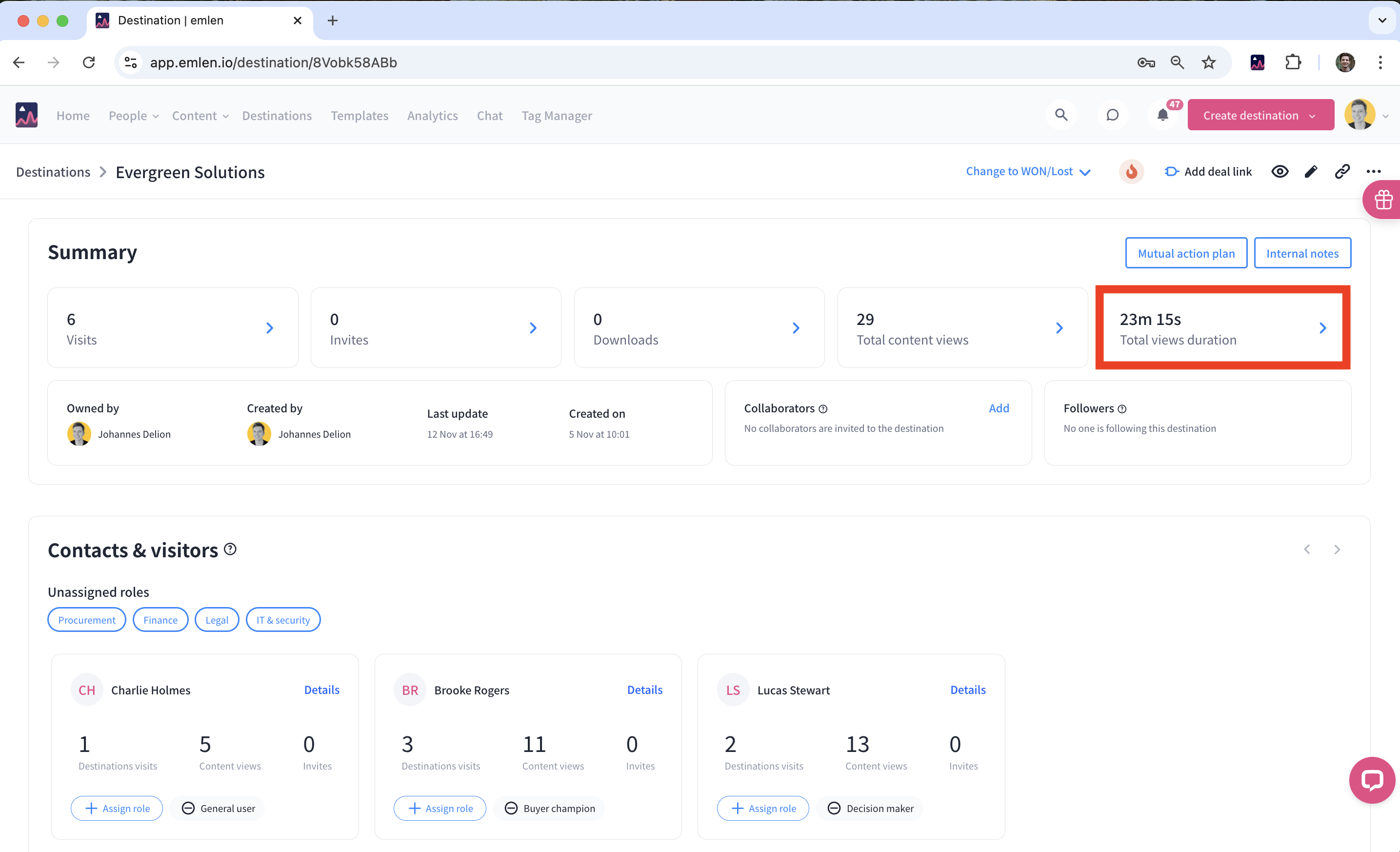
Buyer engagement refers to the total time buyers spend in a Destination (= total views duration). For example, in this case, it’s 23 minutes and 15 seconds.
### Benchmarks
The average duration depends on the buying journey stage. Aim for these benchmarks:
| **Stage** | **Buying job from customer's perspective** | **Low complexity**
(few stakeholders, max 3 steps) | **High complexity**
(multi-stakeholder, several steps) |
| --- | --- | --- | --- |
| Early | Problem identification to solution exploration | 4-7 minutes | 5-8 minutes |
| Mid | Solution exploration to requirements building | 17-22 minutes | 27-34 minutes |
| Late | Requirements building to supplier selection | 33-39 minutes | 55-106 minutes |
If your numbers meet or exceed these benchmarks, you’re on track. If not, this guide will help improve your results.
### Key factors influencing buyer engagement
- Targeting: Reaching the right leads (ICP fit)
- Timing: Buyer awareness of their problem (early stage) or interest in solutions (mid stage)
- Qualification: How effectively you qualify leads and opportunities
- Relevancy: Aligning content with the prospect’s needs and challenges
This guide focuses on improving relevancy through **better Destination structure and content**.
* * *
Here are 17 tips to improve buyer engagement:
## 1\. Open with a personal video
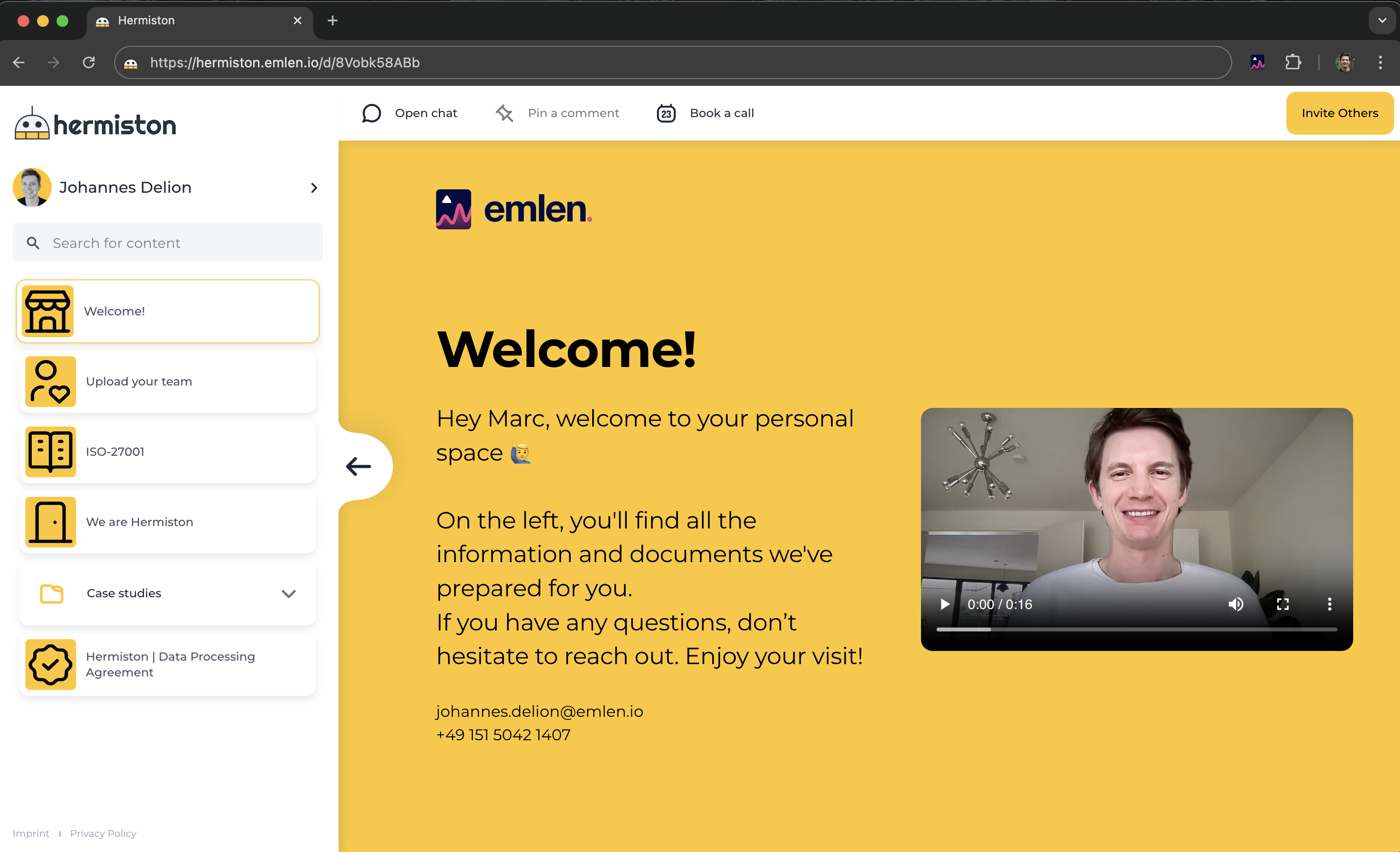
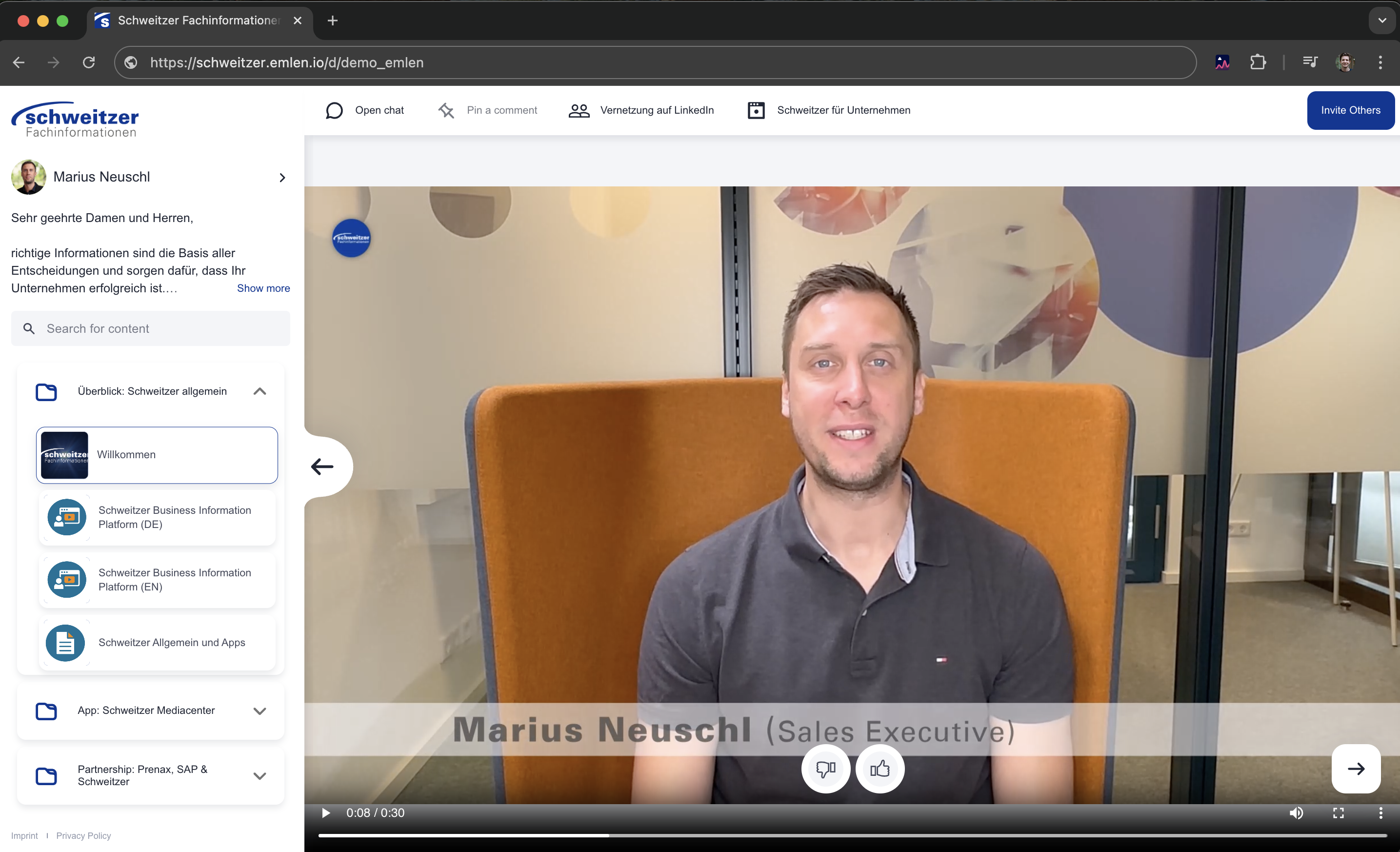
Use the Welcome Page to greet buyers with a personal video.
- Early stage: Generic or personal welcome video
- Mid/late stage: Use personalized videos
Welcome page incl. video:
Video only:
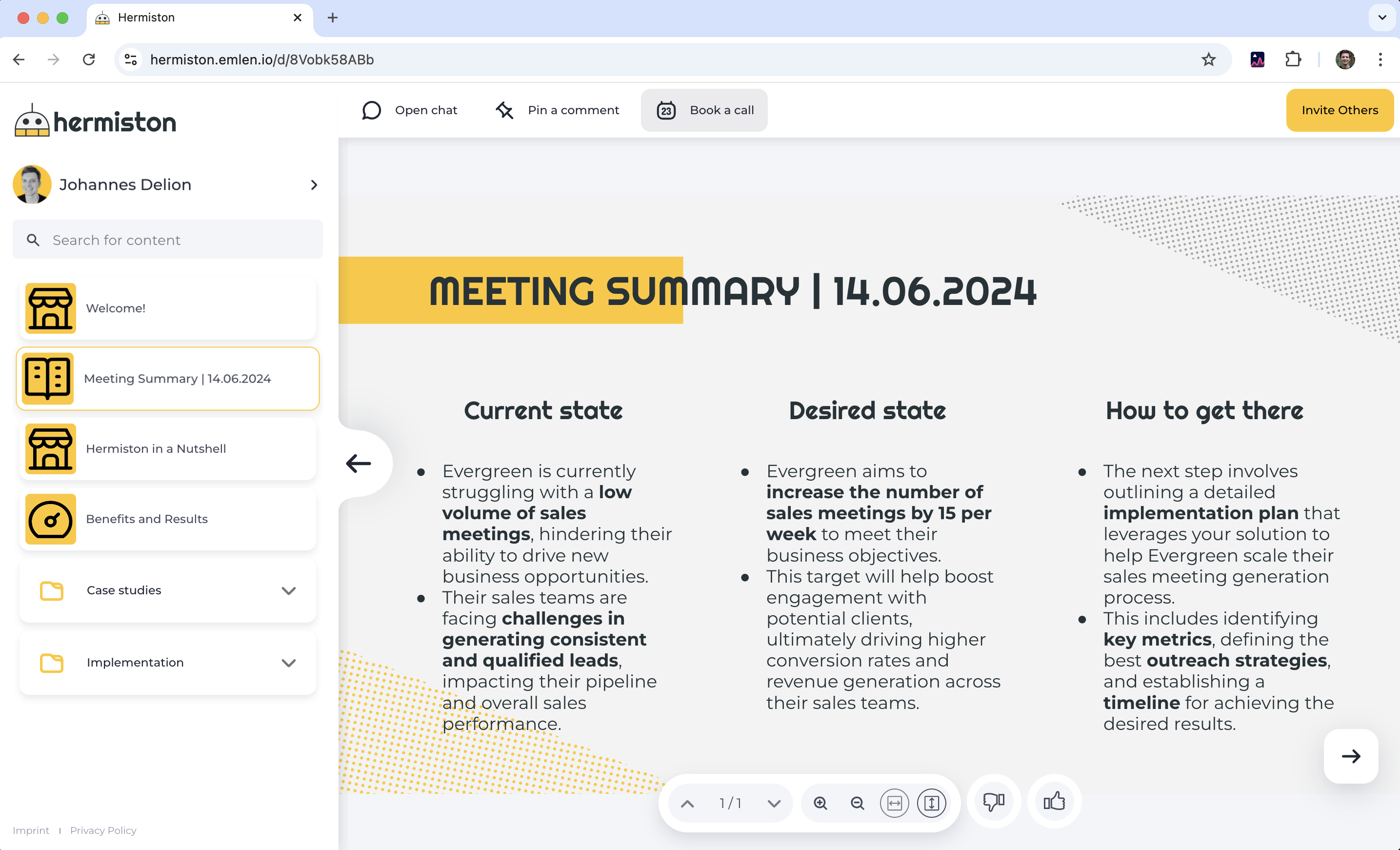
## 2\. Include a (management) summary
Add a concise summary as the second content item, covering:
- Current state (pain points)
- Desired state (goals)
- Next steps
## 3\. Have a clear structure in your Destination
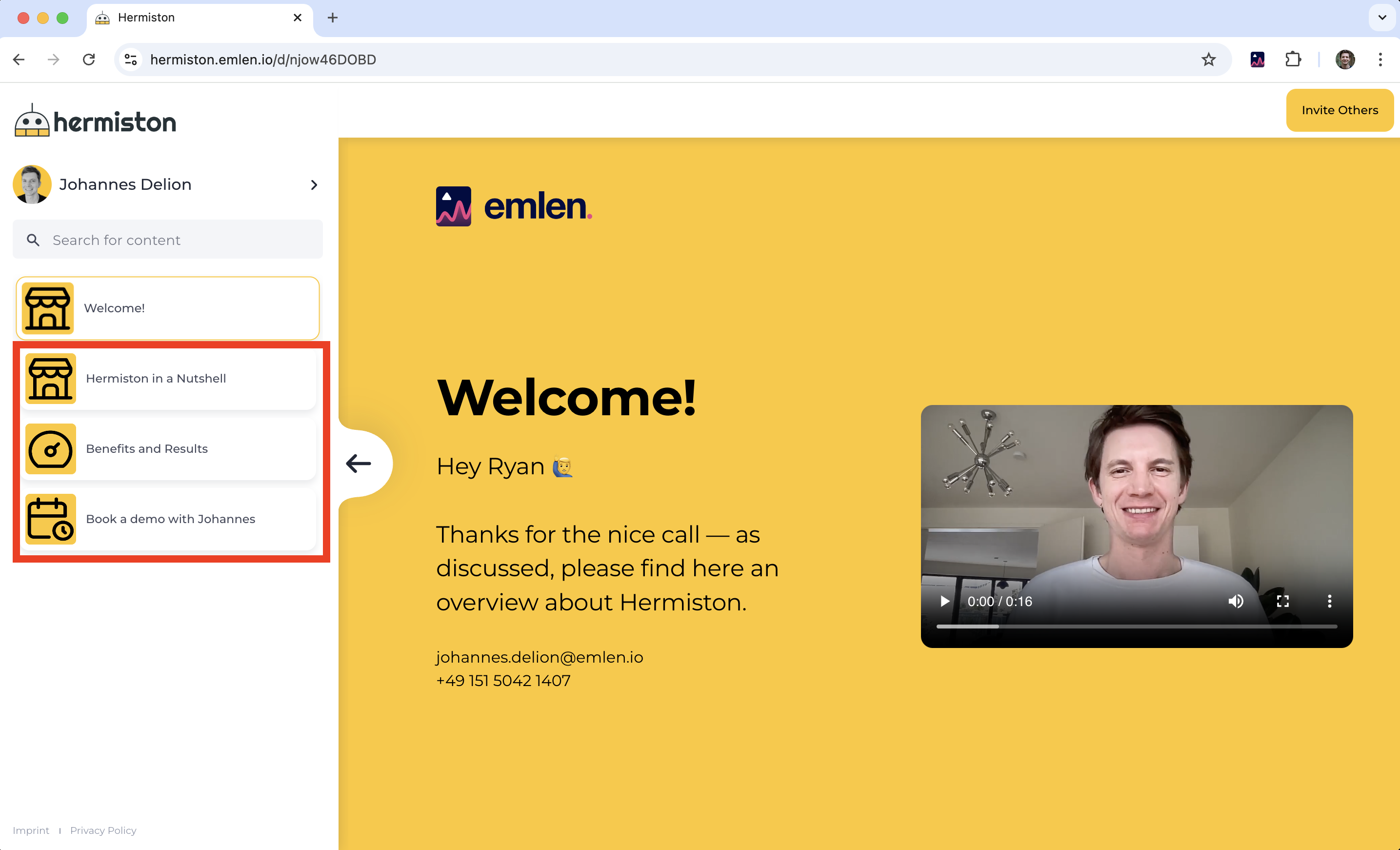
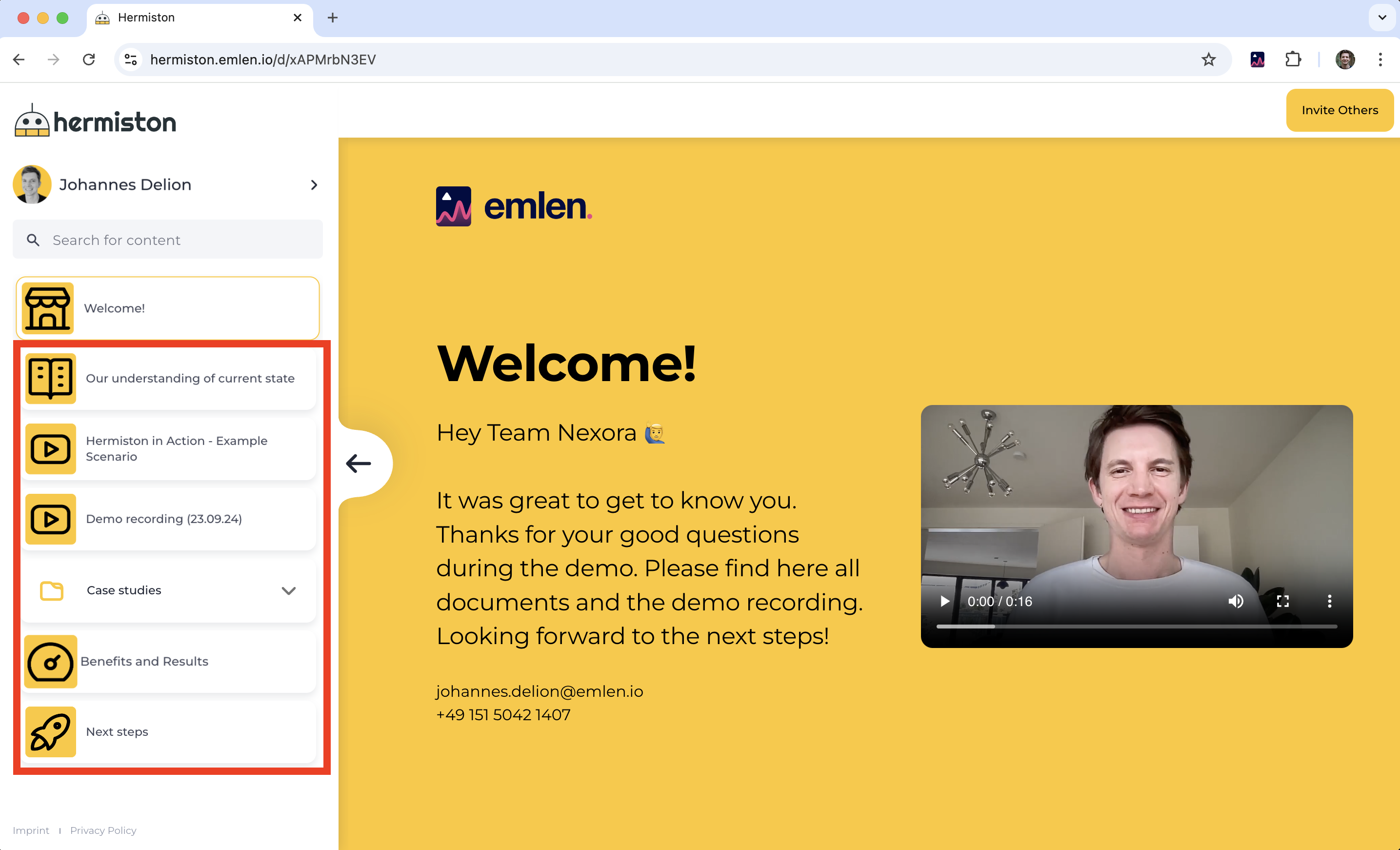
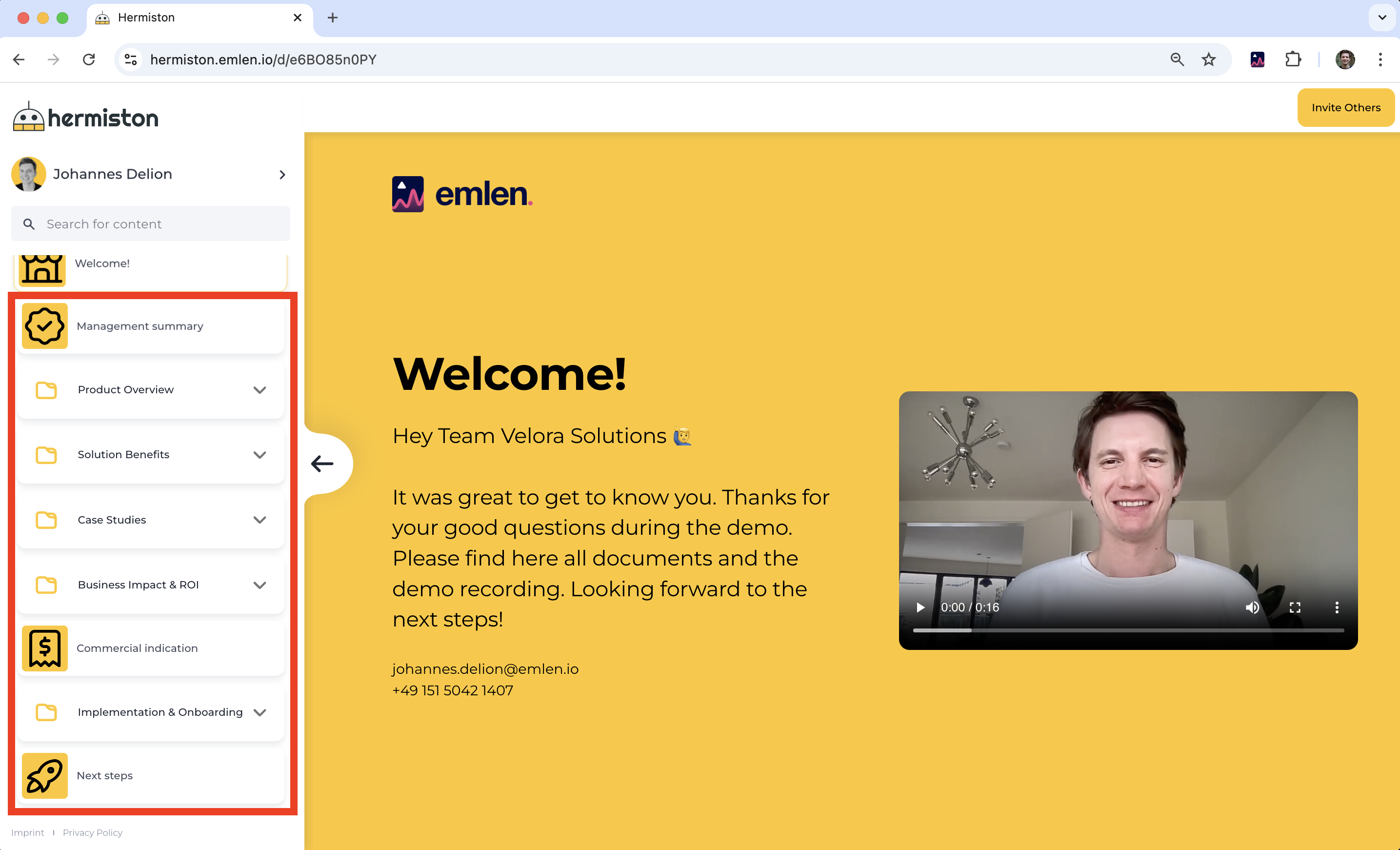
Adapt the Destination structure to the buying stage. This is a proven structure:
| **Stage** | **Structure** |
| --- | --- |
| Early | 1. Status quo, challenges & pain points
2. Solution benefits & differentiation
3. Call-to-Action |
| Mid | 1. Status quo, challenges & pain points
2. Tailored solution overview
3. Case studies
4. Business impact
5. Next steps |
| Late | 1. Management summary (incl. status quo & objectives)
2. Proposed solution & product features
3. Solution benefits & differentiation
4. Case studies & success stories
5. Expected ROI & business impact
6. Quote / commercial indication
7. Implementation & onboarding process
8. Next steps |
Example early stage (e.g., after outbound call):
Example mid stage (e.g., after demo):
Example late stage (e.g., in negotiation):
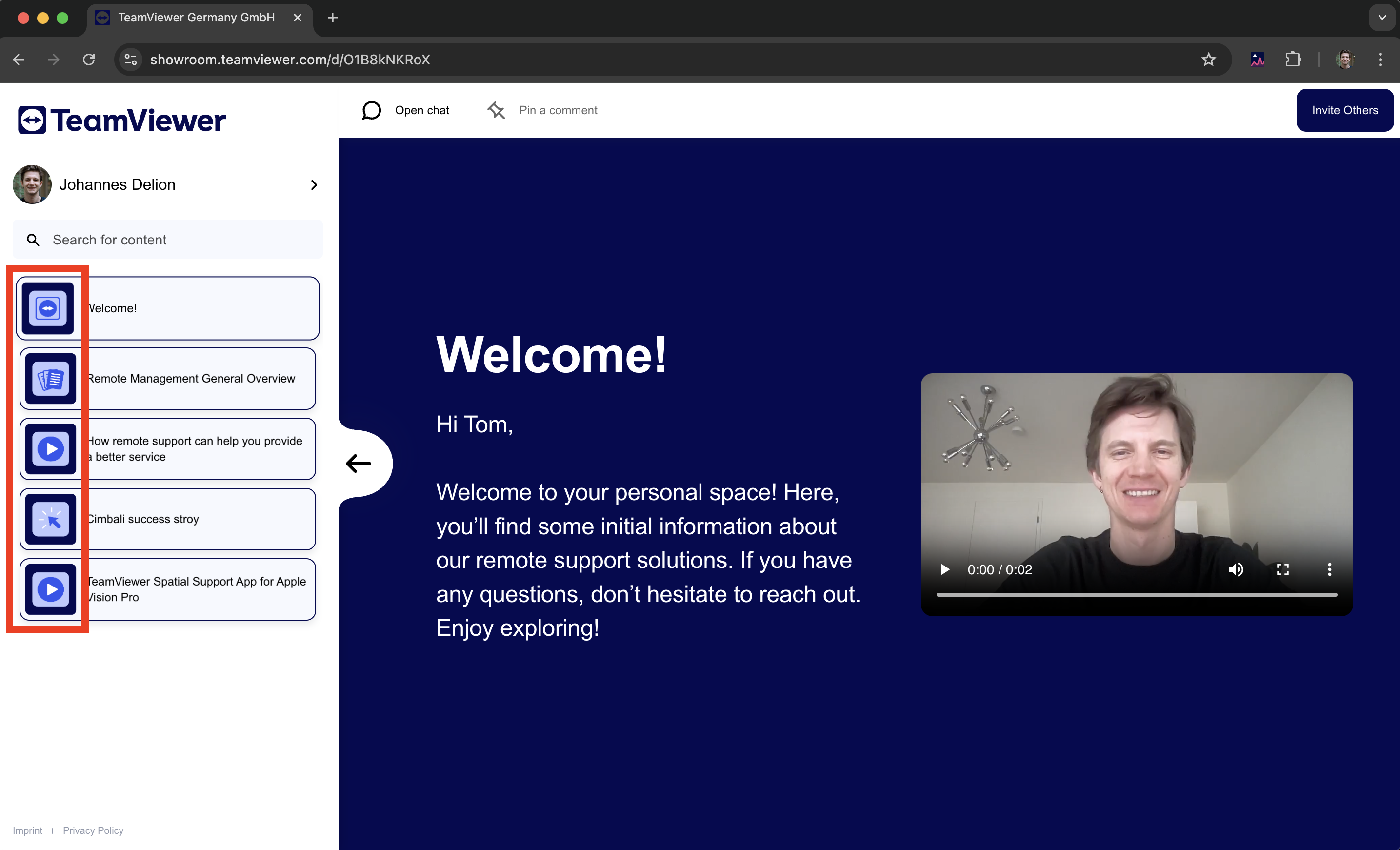
## 4\. Add content thumbnails
Add thumbnails for easier navigation. Learn [here](https://help.emlen.io/en/article/thumbnails) how. For example use one each for:
- Home / welcome page
- Document / whitepaper
- Video
- Checklist
- One-pager
- Case study
- Spreadsheet
- Weblink
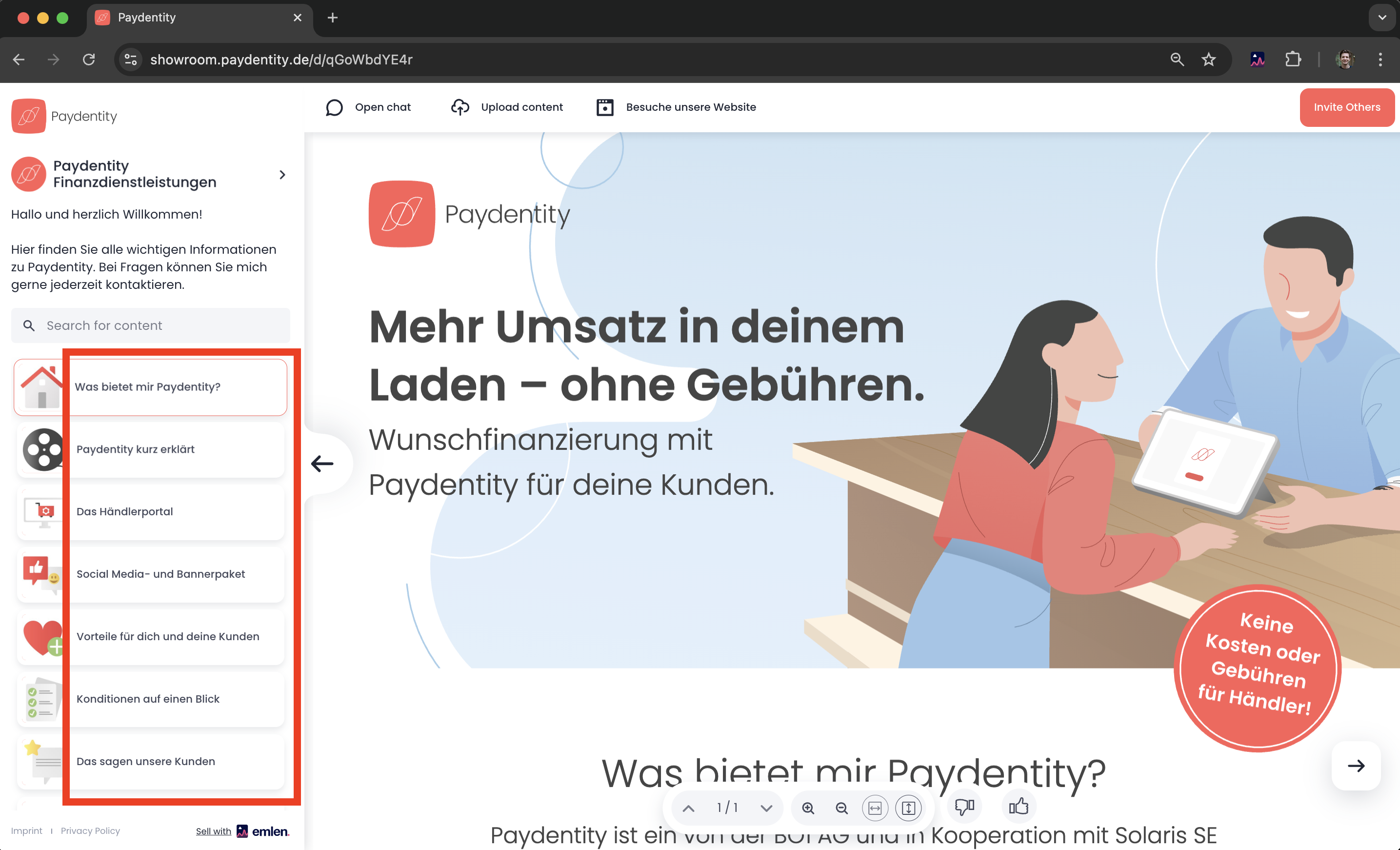
## 5\. Use simple and "speaking" titles
Keep titles short and descriptive. Avoid long, complex titles or unnecessary details. If possible, aim for single-line titles. This is a good example:
## 6\. Don't overwhelm your buyers with content
Share only what your buyer needs to take the next step. Target these content counts:
| **Stage** | **Number of content assets** |
| --- | --- |
| Early | 3-6 |
| Mid | 5-10 |
| Late | 8-20 |
Keep documents **under 20 pages** to maintain engagement. Break longer materials, like a 50-page presentation, into topic-based sections for better readability and easier navigation.
## 7\. Personalize the Destination
Personalize not just greetings but the **content** itself. There are two ways to do this:
#### **7.1 Mix & match generic content**
Choose and share generic content that aligns with your prospect’s context, such as:
- Industry
- Use case
- Persona
This approach requires a strong library of generic content. Case studies work well as they can be tailored to industries or use cases. **Modularize content** to share only the most relevant sections, avoiding long, all-in-one presentations.
#### **7.2 Create customer-specific content**
Develop content tailored to the customer’s specific context, such as:
- Personal presentations
- Custom video recordings (e.g., demo, product walkthrough)
- Custom business impact or ROI calculations
The balance between these approaches varies by stage. Here’s a general guideline:
| **Stage** | **Share of mix & match** | **Share of customer-specific content** |
| --- | --- | --- |
| Early | 80-100% | 0-20% |
| Mid | 60-70% | 40% |
| Late | 20-30% | 70-80% |
It also depends on deal size—larger deals justify greater investment in creating customer-specific content.
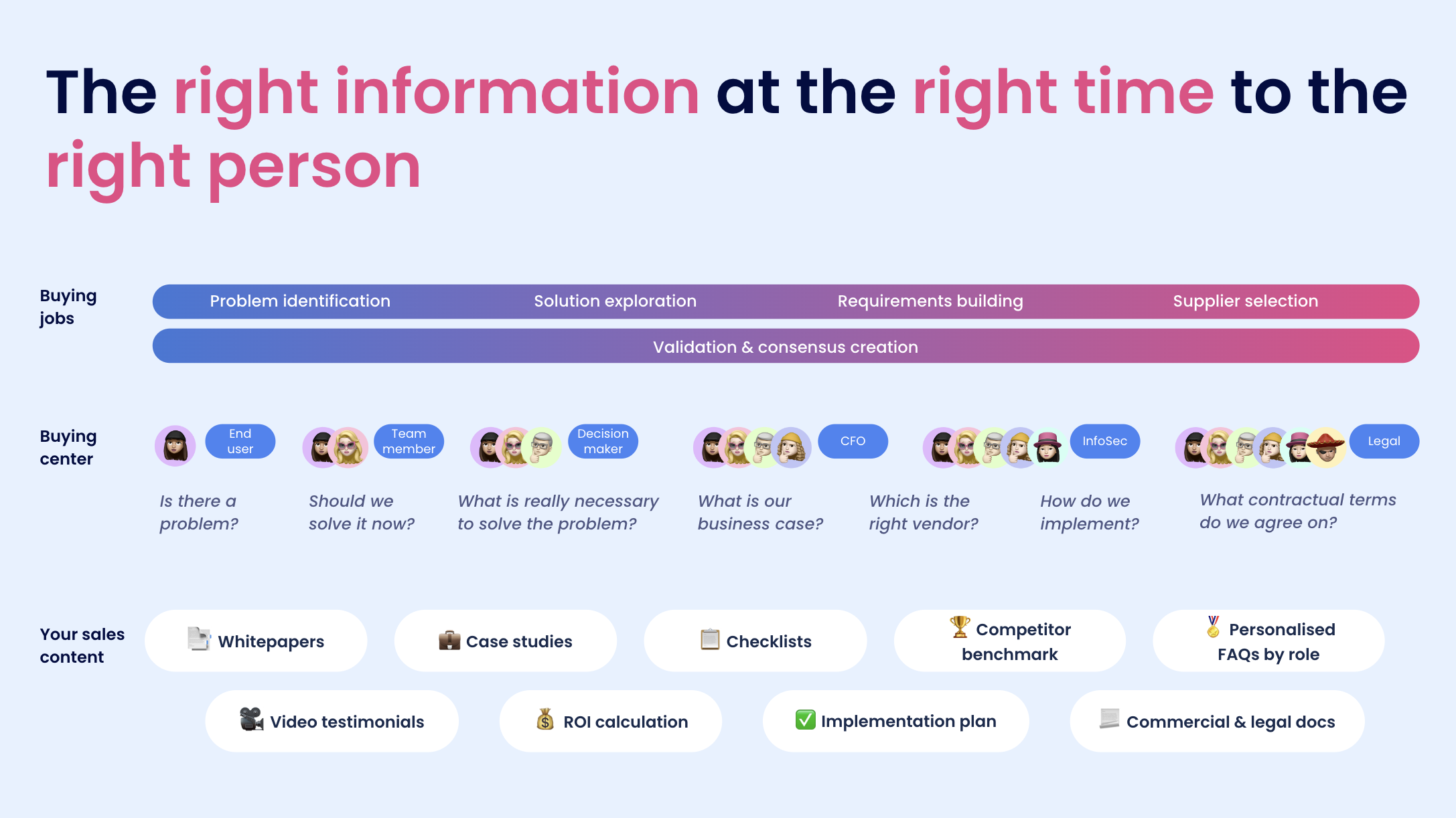
## 8\. Share the right information
Ask yourself:
- What buying stage is the prospect in (their current “buying job”)?
- Who is involved in the decision-making process?
- What questions or objections need addressing?
Share content that meets their information needs to stay relevant.
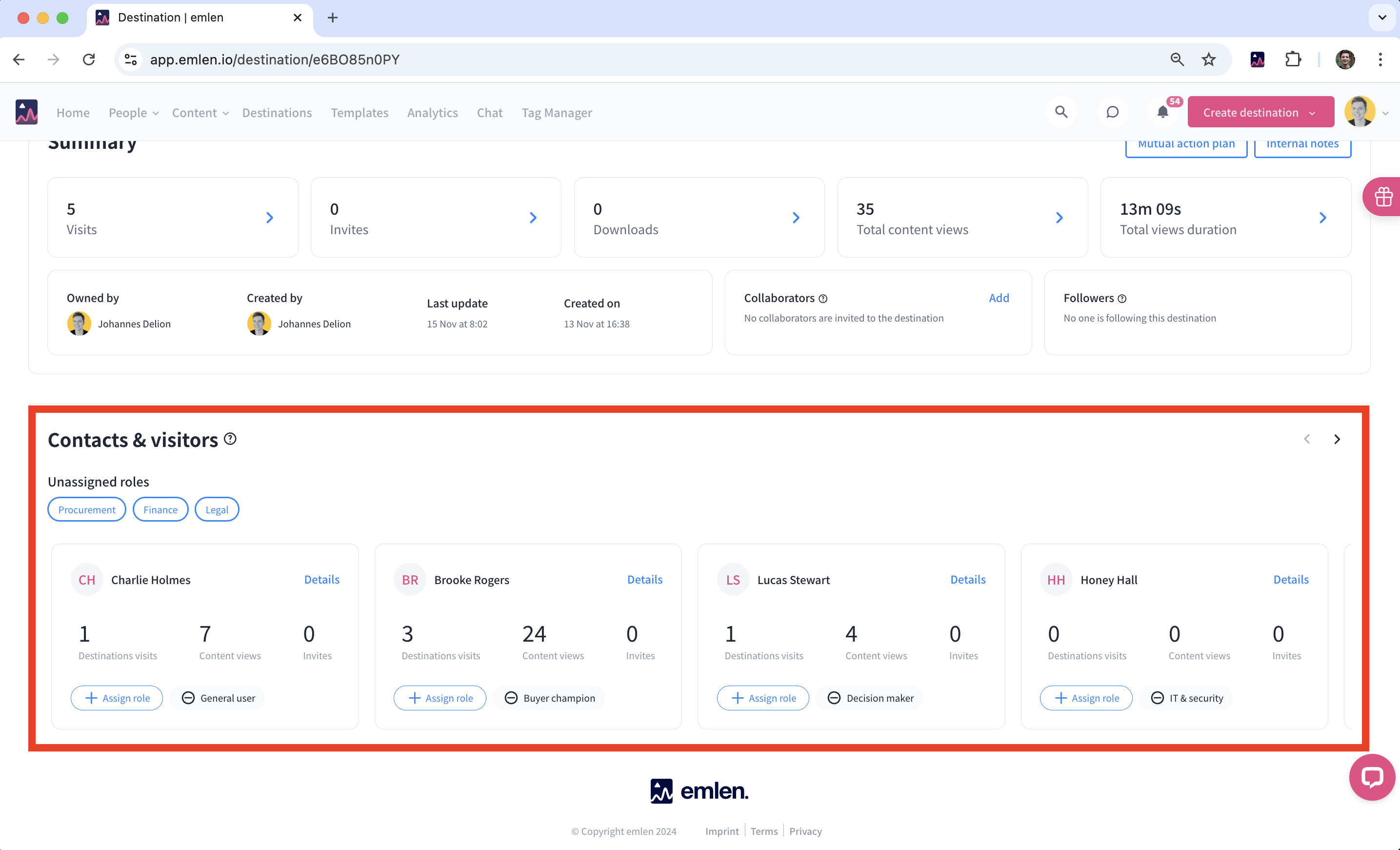
## 9\. Involve all stakeholders in the Destination
As the buying process advances, more stakeholders typically join the decision. Often, a sales champion shares information internally, which can limit your visibility and control. While a strong champion can help, it’s better to get all stakeholders into the Destination. This ensures you can directly meet their information needs and maintain transparency. For more, see the [article on multithreading](https://help.emlen.io/en/article/multithreading-with-emlen) with emlen.
## 10\. Provide regular updates to the buying center
Continuously add value by updating the Destination with new, relevant content. For example:
| *Hi \[Prospect’s Name\],*
*I came across this whitepaper on \[topic\] and immediately thought of you—it aligns with \[specific challenge or goal they mentioned\]. I added it to our space: https://hermiston.emlen.io/d/Parisian*
*Let me know if you find it useful or have any thoughts!*
*Best regards,*
*\[Your Name\]* |
| --- |
## 11\. Promote collaborative features
Encourage prospects to use the Destination’s collaborative tools and explain their benefits. For example:
- **Mutual Action Plan**: “Let’s review these tasks together to track progress and see what’s left to complete.”
- **Chat**: “If you have questions, you can message me directly here.”
- **Pin-a-comment**: “You can pin comments or questions directly on the quote, and we’ll address them in our next meeting.”
## 12\. Disversify content formats
Go beyond slide presentations and include:
- Product videos
- Video recordings (of meeting, demo, webinar, etc.)
- Infographics
- Blog posts
- Checklists / One-pagers
- Whitepapers
- Industry reports
- Speadsheets
## 13\. Use interactive content
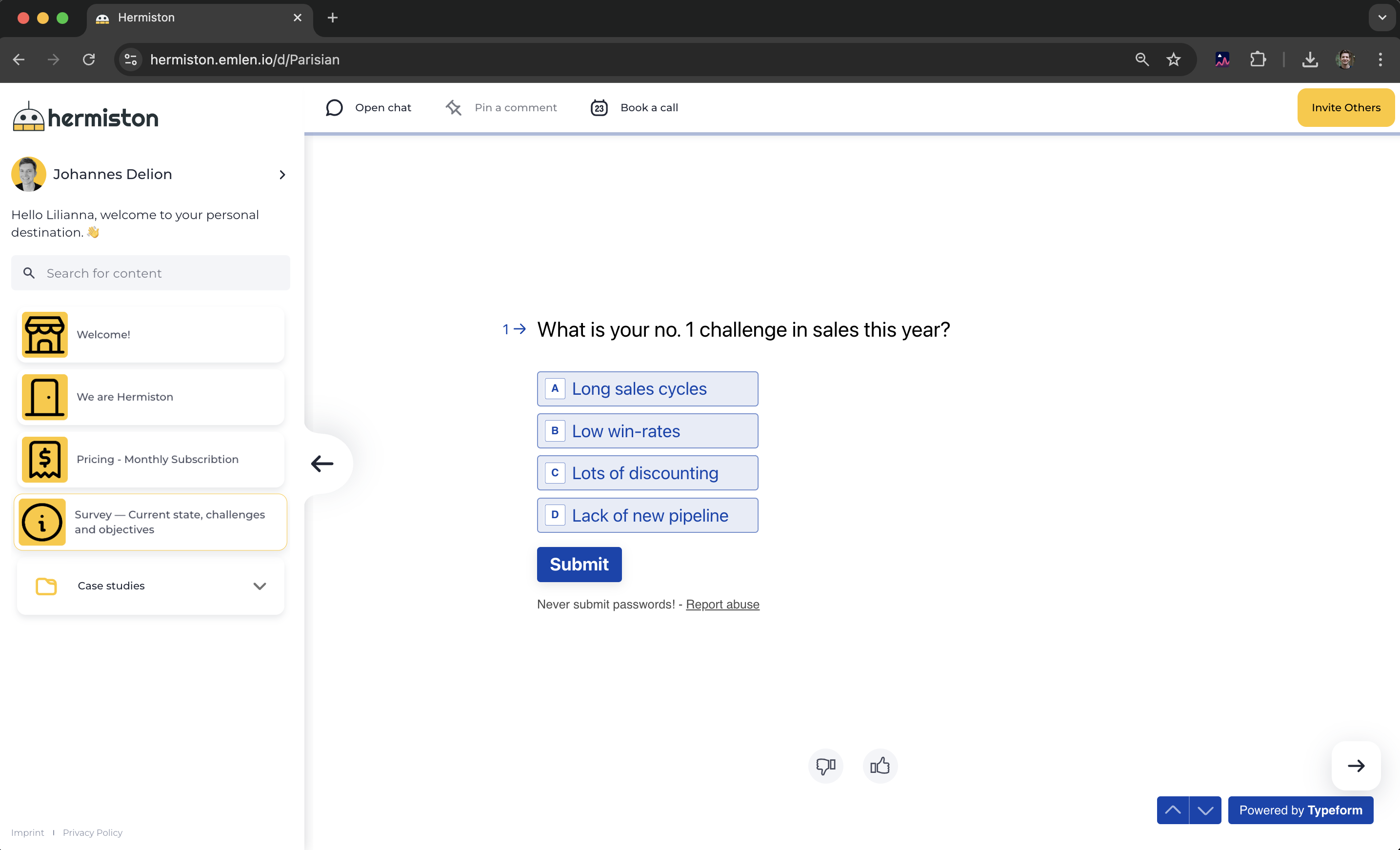
Include tools like **surveys** or **self-assessments** (e.g., Typeform, SurveyMonkey) to engage prospects and gather insights. You can also embed interactive **calculators**, such as ROI tools, using Google Sheets for collaborative editing.
## 14\. Leverage storytelling
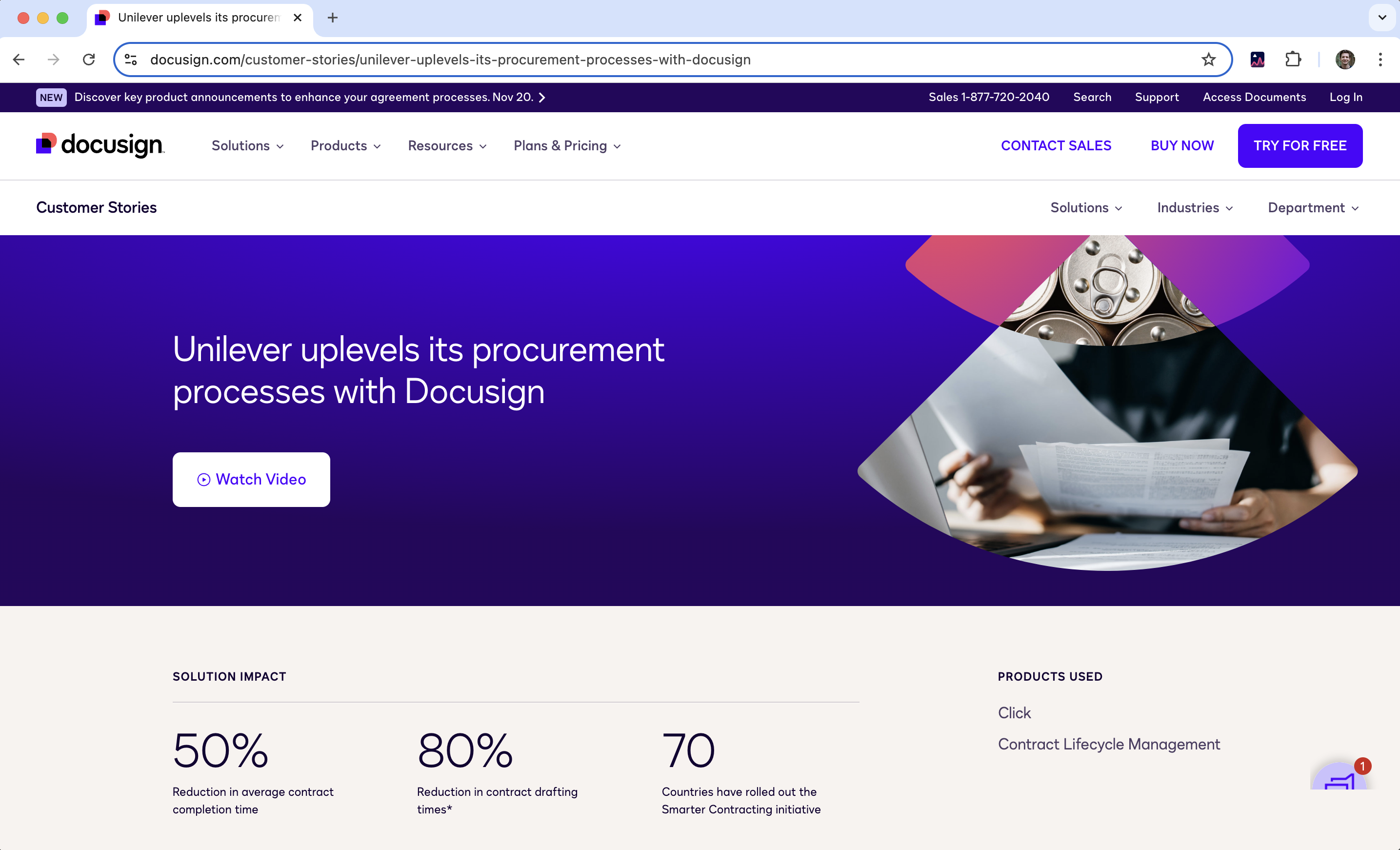
- Customer Success Stories: Share real-life examples of how your product or service transformed a client’s business. Focus on challenges, solutions, and outcomes
- Case Studies with Data: Showcase measurable results that highlight the value your product brings
- You can find a selection of excellent case studies [here](https://loyaltysurf.io/blog/good-customer-case-study-example)
## 15\. Data-driven insights
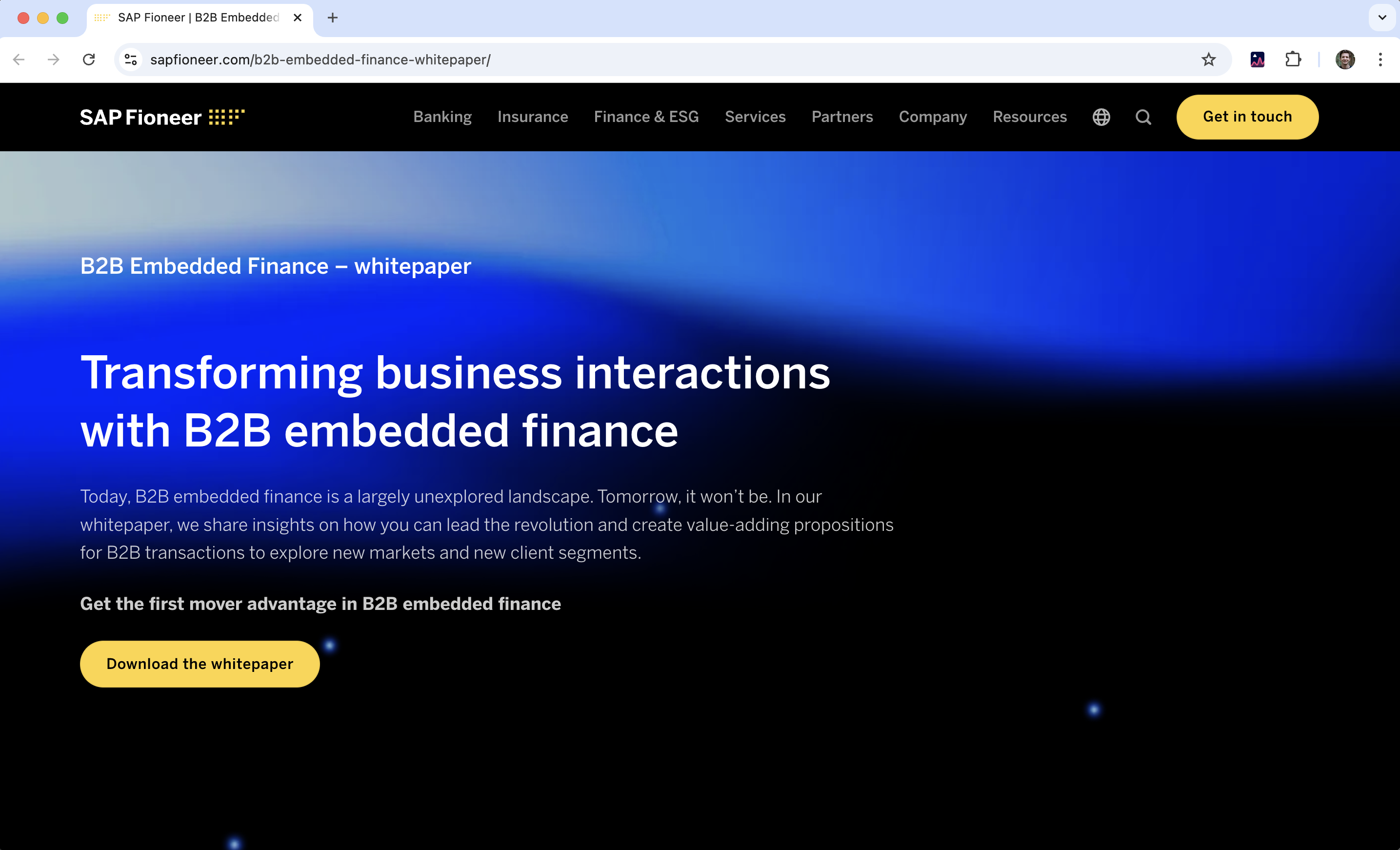
- Share industry reports, white papers, or original research that positions you as a thought leader
- Highlight actionable takeaways to address specific pain points
## 16\. Emphasize visuals
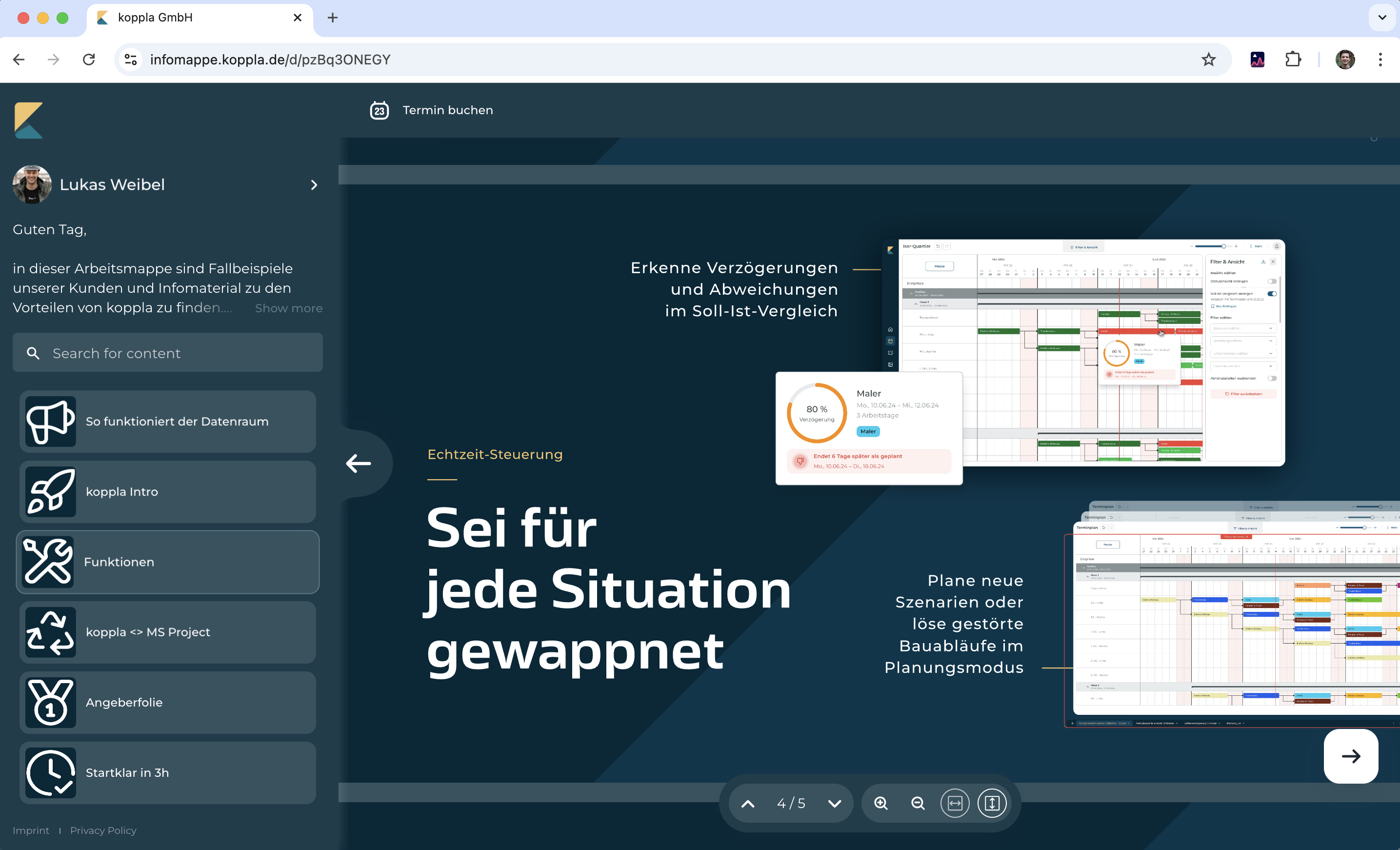
Most B2B presentations are too text-heavy. Aim for 40-50 words per slide and add visuals, images and charts to help your buyer understand what you want to communicate.
## 17\. Review content performance regularly
Meet with sales and marketing quarterly to review how content performs and identify improvements. Focus on these key metrics:
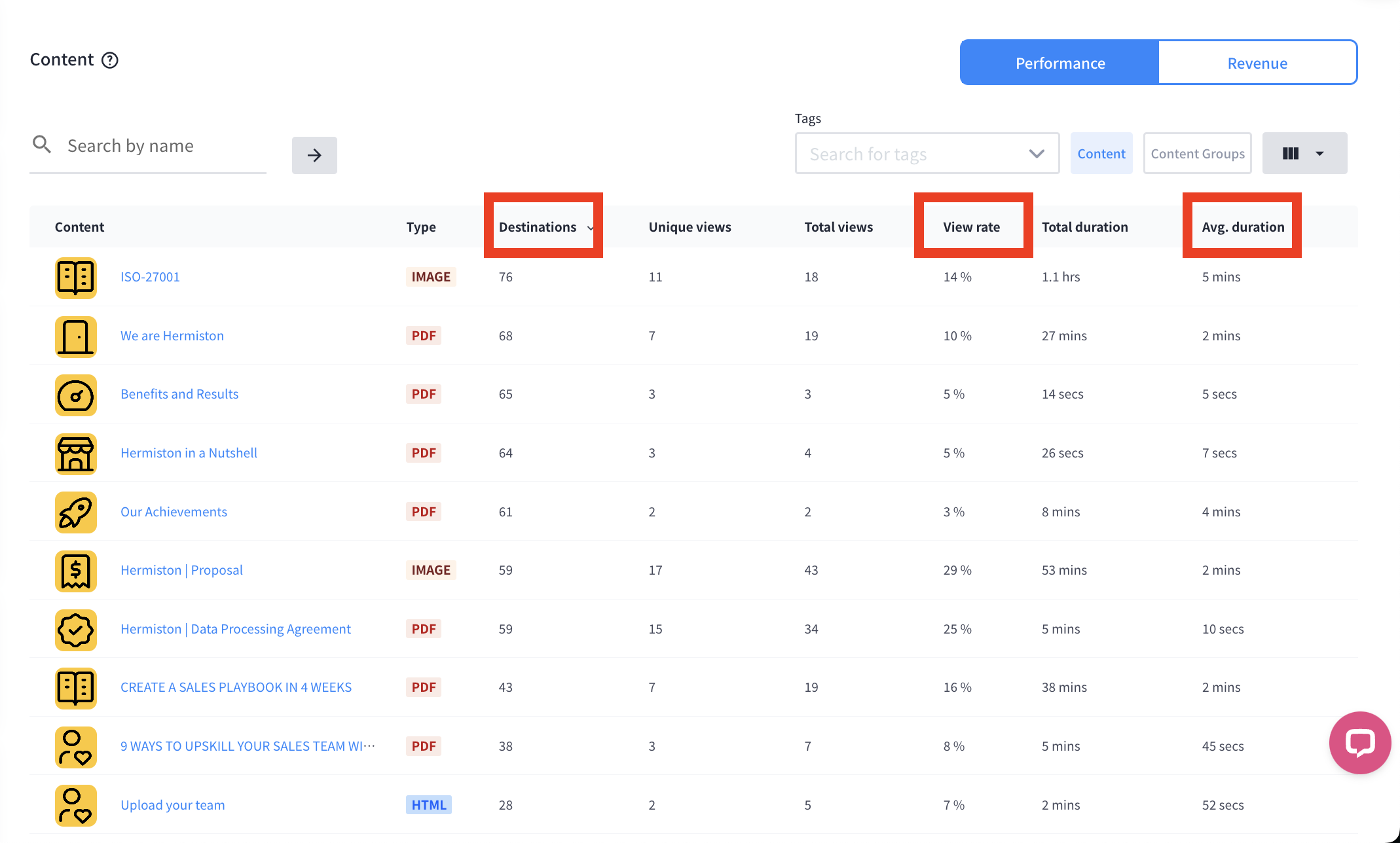
- Destinations: How often does the sales team share this content? If low, ask why.
- View Rate: Are buyers viewing it after it’s shared? Low rates might mean the title needs improvement.
- Average Duration: How long do buyers engage with it? Compare this to the content length. If low, the content might need adjustments.